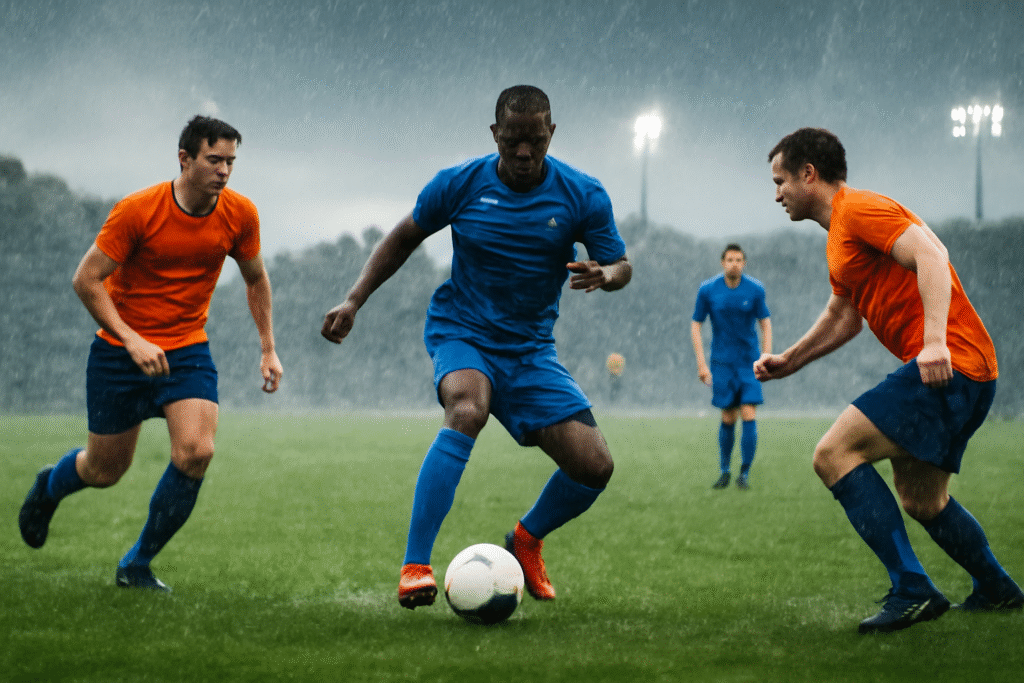
In 2025, the world of sports faces new challenges, including the growing concern over severe weather patterns, particularly heavy rainfall. These climate shifts are no longer a distant issue but an immediate concern for athletes, organizers, and fans. Let’s dive into the trends, impacts, and future implications of severe rainfall alerts in the sports world.
How will severe rainfall alerts affect your favorite sports in 2025? Explore the key trends and insights into how weather disruptions are reshaping the game.
What is a Severe Rainfall Alert?
A severe rainfall alert is issued when rain intensity exceeds certain thresholds that could disrupt daily life, including sporting events. These alerts are becoming more common due to unpredictable weather patterns and climate change. In sports, such alerts can delay or even cancel major events, leading to financial losses and safety concerns.
Impact on Outdoor Sports
Outdoor sports such as football, cricket, tennis, and athletics are the most vulnerable to weather disruptions. Here’s how severe rainfall is influencing these sports in 2025:
1. Football (Soccer)
Rain delays have always been part of football, but with rising rainfall levels, teams are facing more frequent disruptions. For instance, matches that used to be considered “rain or shine” are now subject to cancellations or rescheduling, particularly in countries prone to monsoons or heavy rainfall during certain seasons. Grounds become waterlogged, risking player injuries and damaging the quality of the game.
2. Cricket
Cricket, especially in countries like India and England, has a strong link to the monsoon season. Matches are often interrupted or washed out due to heavy rainfall, affecting not only the game’s schedule but also TV rights, sponsorships, and revenue. The growing unpredictability of rain makes planning for large-scale tournaments more challenging.
3. Tennis
Tennis events like the US Open and Wimbledon are known for their beautiful outdoor courts, but heavy rainfall can lead to match interruptions and delays. With climate change affecting rain patterns, these delays are expected to increase. As a result, many tournaments are turning to more indoor courts or more advanced drainage systems to minimize weather disruptions.
4. Athletics
Track and field events can also be severely impacted by heavy rainfall. Not only does rain create unsafe conditions for participants, but it also hampers the overall spectator experience. This forces event organizers to adjust schedules or even cancel events, creating logistical nightmares.
The Role of Technology in Managing Severe Weather
In recent years, sports organizations have been leveraging technology to combat the effects of severe weather. Real-time weather tracking systems, advanced radar technology, and mobile weather alerts help teams and event organizers stay ahead of bad weather. These technologies help decide whether to postpone or reschedule an event before players or fans are impacted.
Moreover, innovations like smart wearables are helping athletes monitor weather conditions and make real-time adjustments to their performance strategies. This includes adjusting hydration levels and choosing the right apparel based on weather patterns.
Adaptation Strategies for Sports Organizations
As severe rainfall alerts become more frequent, sports organizations are adapting to ensure the safety of their players and the smooth running of events. Some key strategies include:
- Improved Infrastructure: Building better drainage systems for outdoor stadiums and arenas.
- Indoor Venues: More indoor facilities to host sports events unaffected by weather conditions.
- Flexible Scheduling: Increasing the number of backup dates for tournaments and matches.
- Real-time Communication: Enhancing communication channels to keep players, teams, and fans updated on any weather disruptions.
Trends to Watch in 2025 and Beyond
In 2025, it’s expected that the frequency of severe rainfall alerts in the sports world will continue to rise. Here are a few trends that will shape the future:
- Increased Use of Data Analytics: Sports teams will rely heavily on data-driven decision-making to navigate unpredictable weather patterns.
- Global Collaboration: Sports leagues will collaborate across borders to develop international standards for weather-related delays and cancellations.
- Sustainable Practices: More eco-friendly infrastructure will be prioritized, like rainwater harvesting systems and sustainable stadium designs that are resilient to severe weather.
Conclusion
Severe rainfall alerts are becoming a more frequent issue in the sports industry. With advanced technology, better infrastructure, and innovative strategies, sports organizations are finding ways to adapt to these weather challenges. In 2025 and beyond, we can expect sports to evolve in response to these shifting environmental patterns, ensuring that both athletes and fans can continue to enjoy their favorite events regardless of the weather.
#Sports2025 #SevereRainfallAlert #OutdoorSports #FootballWeather #CricketWeather #TennisDelays #WeatherImpact #ClimateChangeInSports #SportsTechnology #RainySeasonSports #anslation #carrerbook #medium
Disclaimer
This blog is intended for informational and educational purposes only. The views expressed are personal opinions or general insights, not professional or legal advice. Readers should do their own research or consult relevant professionals before taking action based on this content.